Biggest Megaboom 3 Buying Mistakes (And How to Avoid Them)
Introduction
The Ultimate Ears Megaboom 3 is a popular portable Bluetooth speaker known for its rugged design, long battery life, and punchy sound profile. For many buyers, it becomes the go-to choice for backyard barbecues, beach days, and weekend getaways. Yet despite its strengths, a number of common buying mistakes lead people to be disappointed or to purchase a speaker that doesn't match their needs.
This article walks through the biggest mistakes people make when considering the Megaboom 3 and explains how to avoid them. It covers real-world use cases, what buyers typically care about (sound, durability, connectivity, portability, and battery life), a detailed product analysis, a concise pros & cons list, a short comparison to alternatives, and a practical buying guide to help readers choose confidently.
Common Buying Mistakes
Mistake 1 — Expecting Hi‑Res, Studio‑Quality Audio from a Portable Bluetooth Speaker
Portable, battery-powered Bluetooth speakers are designed for convenience and robust playback in casual environments. Expecting the Megaboom 3 to deliver studio‑accurate, lossless reproduction is unrealistic. Buyers who prioritize audiophile-level detail, wide stereo imaging, and lossless codecs will likely be underwhelmed.
Mistake 2 — Assuming “Waterproof” Solves All Outdoor Risks
Megaboom 3’s ingress protection rating covers full submersion and dust, which is excellent for most outdoor uses. However, buyers sometimes overlook other outdoor risks: sand getting into ports, prolonged sun exposure, or drops onto concrete. Waterproofing helps, but it doesn't make the speaker invincible.
Mistake 3 — Overlooking Connectivity Limitations
Expecting wired inputs, multi‑point Bluetooth with flawless device switching, or advanced codec support (e.g., aptX, LDAC) can lead to frustration. The Megaboom 3 is primarily a Bluetooth speaker with app features; buyers who need hardwired inputs, simultaneous multi‑device streaming, or specific codecs should check compatibility before buying.
Mistake 4 — Ignoring Size, Weight, and Real Portability
Megaboom 3 is larger and heavier than compact pocket speakers. Buyers who think “portable” automatically means pocketable may regret the weight when carrying it for long hikes or day trips. Conversely, users who plan to keep it stationary at home may prefer a different form factor.
Mistake 5 — Not Considering Multi‑Speaker Setup Needs
While the Megaboom 3 supports linking multiple speakers, buyers sometimes assume any brand pairing will work or that setup is seamless in every environment. Assess how many speakers are needed, whether pairing is within the same ecosystem, and how the app handles updates and management.
Detailed Product Review and Analysis
Design and Build
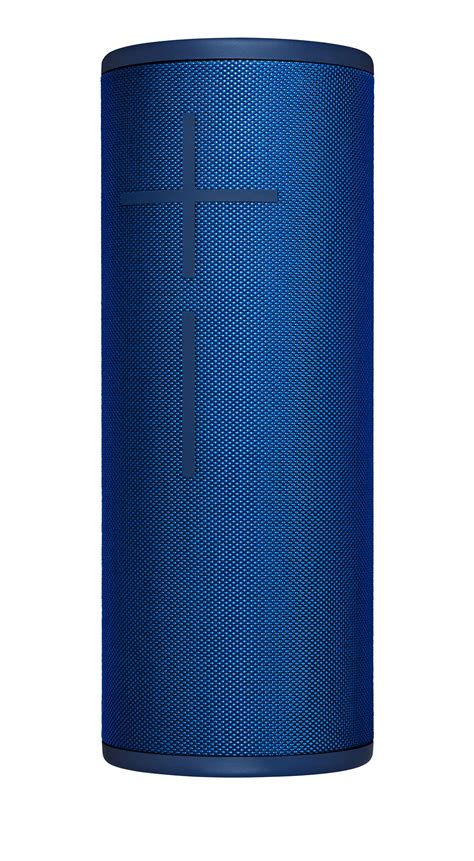
Megaboom 3 follows UE’s cylindrical, travel-friendly design language. The outer fabric and rubberized end caps feel durable and grippy. The speaker is engineered to withstand outdoor use — it is dustproof and rated for temporary submersion, which makes it a solid choice for poolside listening or rainy picnics. The controls are minimal and tactile, generally including power, volume, and a multi‑function button for playback.
Sound and Performance
In real‑world settings the Megaboom 3 delivers a warm, energetic sound that scales well with volume. The sound signature typically emphasizes punchy bass and clear midrange, which translates well for casual listening, parties, and outdoor environments where ambient noise competes with the music. At moderate to high volumes it maintains clarity for vocals and rhythm instruments, though owners should not expect the nuanced detail of a dedicated hi‑fi system in quiet rooms.
Discover deals on Audio & Headphones — updated daily.
View Offers →Placement matters: upright on a table provides 360° dispersion, making it effective for group listening. Close‑range critical listening will reveal limitations in stereo imaging and top‑end extension compared with bookshelf speakers, but that tradeoff is inherent to the class.
Battery and Charging
Battery life is one of the Megaboom 3’s selling points and performs well in everyday use. For many users the rated endurance covers a full day of intermittent playback. Charging time is reasonable and the speaker works while charging for stationary use. Buyers should consider whether they want a speaker that doubles as a power bank — the Megaboom 3 does not typically offer a USB power‑bank function, so those who need device charging on the go might prefer other options.
Connectivity and App Features
The Megaboom 3 pairs via Bluetooth and integrates with an app that provides firmware updates, EQ adjustments, and device management for multiple speakers. The app’s EQ presets and simple interface are useful for tailoring sound to different environments (for example, enabling more bass for outdoor parties). The ability to wirelessly link multiple speakers gives buyers flexibility for larger spaces, but the ecosystem is brand-specific: mixing models or brands can require extra steps or may be limited.
Durability and Real‑World Longevity
For pool or beach use, the Megaboom 3 holds up well. Buyers should still protect it from prolonged saltwater exposure and avoid leaving it in direct sunlight for extended periods. The fabric can trap sand, so rinsing with fresh water and ensuring ports are dry before charging is a prudent habit. Long-term performance also depends on firmware support and battery care; moderate charging practices and keeping firmware current will maximize lifespan.
Pros & Cons
- Pros:
- Durable, travel‑friendly build with high water and dust resistance
- Strong, punchy sound that works well outdoors and at parties
- Long battery life for day‑long use
- App support for firmware and basic EQ customization
- Ability to link multiple speakers for louder, more immersive sound
- Cons:
- Not a substitute for audiophile-grade systems or lossless playback
- Lacks some wired input options and power‑bank functionality
- Relatively heavy compared with ultra‑compact speakers
- Advanced codec support and pro‑level features are limited
- Mixing speakers from different brands can complicate multi‑speaker setups
Comparison Table: Megaboom 3 vs Common Alternatives
| Feature | Megaboom 3 | Smaller Portable Speaker (e.g., compact model) | Powerbank‑Style Speaker (e.g., charge‑focused model) |
|---|---|---|---|
| Typical Use Case | Outdoor parties, poolside, group listening | Solo travel, personal listening, pocketable convenience | Extended trips, charging devices, long playtime |
| Durability | High (water & dust resistant) | Moderate to high (depends on model) | High (often rugged, water resistant) |
| Sound Profile | Punchy bass, balanced mids | Surprisingly good for size but limited bass | Strong low end and higher volume capability |
| Battery | Long (day‑long typical) | Shorter (hours to day depending on use) | Very long; may double as power bank |
| Connectivity | Bluetooth + app features | Bluetooth, minimal controls | Bluetooth, often with auxiliary input and USB out |
| Portability | Good but larger/heavier | Excellent (pocketable options) | Good but heavier due to battery |
Buying Guide — How to Avoid the Biggest Mistakes
1. Define the Primary Use Case
Buyers should clearly identify where and how the speaker will be used. For regular outdoor parties and group listening, the Megaboom 3’s louder sound and ruggedness are advantages. For solo commuting or hiking where weight and pocketability are paramount, a smaller model may be a better fit.
2. Know What “Waterproof” Actually Covers
Check the speaker’s IP rating and read the documentation to understand what it covers. IP67 means resistance to dust and temporary submersion, but it does not mean the speaker is invulnerable to corrosion, sand abrasion, or the effects of long exposure to chlorine or saltwater. Treat it as highly resilient — not invincible.
3. Verify Connectivity Requirements
If the buyer needs auxiliary input, multi‑point Bluetooth, or a speakerphone function for calls, confirm those capabilities before purchasing. The Megaboom 3 excels at wireless playback but may not meet demands that require wired inputs or specialized codec support.
4. Consider Portability Versus Performance Tradeoffs
Size matters. If the speaker will be carried for long periods, test or compare weights. For people who prioritize volume and low‑end performance in open spaces, accepting additional weight is often a reasonable tradeoff.
5. Think About Multi‑Speaker Plans
If the intention is to build a multi‑speaker setup for larger events, verify how many speakers can be linked and whether they must be the same model or brand. Buyers who want a seamless multi‑room or multi‑speaker solution should research the ecosystem’s limitations and app management tools.
Find top-rated Audio & Headphones products at great prices.
Shop Amazon →6. Inspect App and Firmware Support
Good app support can extend a product’s useful life by providing firmware updates, features, and bug fixes. Check for recent update history and read reviews about the app’s reliability. Apps that introduce useful features like EQ presets, party modes, or improved pairing workflows can significantly improve the ownership experience.
7. Test Real‑World Playback When Possible
Listening tests in environments similar to where the speaker will be used are invaluable. Comparing how the Megaboom 3 performs in a living room, on a patio, or in a park helps buyers understand loudness, clarity, and how bass carries in open spaces. If in‑store demos aren’t feasible, read multiple reviews that include outdoor playback tests.
8. Check Return Policies and Warranties
A clear return policy reduces the risk of buyer’s remorse. Look for retailers or vendors that allow a reasonable trial period and confirm the manufacturer warranty terms. This is especially useful for people purchasing a speaker sight unseen or using it for specific events where performance matters.
9. Consider Accessories and Power Needs
Accessories such as protective cases, charging docks, and travel bags can improve portability and lifetime care. Those who need device charging should weigh the lack of a power‑bank feature when choosing between the Megaboom 3 and alternatives that include USB‑out.
Real‑World Use Cases
To make the guidance practical, here are several realistic scenarios and whether the Megaboom 3 is a good match:
- Backyard Barbecue: Excellent — loud enough for conversation and ambient music, durable against splashes.
- Beach Day: Very good — waterproofness is valuable, but rinse off sand and avoid burying the speaker in sand.
- Commuting/Personal Listening: Overkill — a smaller, lighter speaker or high‑quality headphones are more convenient.
- Overnight Camping Trips: Good — battery life and ruggedness are positives; remember to conserve battery if charging isn’t available.
- Home Hi‑Fi Replacement: Not ideal — a proper stereo or powered bookshelf speakers will outperform in critical listening scenarios.
Conclusion
The Megaboom 3 is a strong choice for buyers who need a durable, loud, and reliable portable speaker for outdoor and social settings. Many of the common purchasing mistakes stem from expectations that don’t match the product category — expecting studio fidelity, assuming waterproofing solves every outdoor risk, or neglecting the importance of portability and connectivity needs.
By defining the intended use, checking connectivity and accessory requirements, testing playback in realistic environments, and being mindful of practical durability care, buyers can avoid these pitfalls and choose the right speaker for their lifestyle. The Megaboom 3 shines when it is used for what it was designed for: bringing dependable, room‑filling sound to social and outdoor moments.