Jura C8 Coffee Machine Review: Real User Experience After 3 Months
I've been using the Jura C8 for about three months now, and I wanted to share a frank, detailed account of what living with this machine is actually like. I bought it because I wanted a reliable bean‑to‑cup machine that could deliver café‑style espresso and milk drinks without daily fuss. What I found was a machine that generally delivers excellent coffee and very good milk texture, but one that also demands attention in a few specific areas if you want it to run smoothly long term.
Introduction — why I chose the Jura C8
Before buying, I looked for something with a solid build, consistent espresso extraction, and a milk system that could make both latte and cappuccino without requiring a separate frother. The Jura C8 came up repeatedly in recommendations for people who want a premium automatic machine that still feels sturdy and well‑engineered. After 12 weeks of daily use—usually one to three drinks a day—I have a clear sense of its strengths and limitations, and I’ll walk through them so you can decide whether it fits your needs.
Unboxing and first impressions
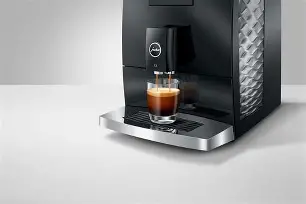
Right out of the box, the C8 felt heavy and well built. The body is mostly plastic with metal accents, but the overall impression is of a machine designed to last. Setup was straightforward: I filled the bean hopper, added water to the tank, and ran the initial rinse cycle. The interface is a combination of buttons and a rotary dial that I found intuitive after a short learning period. I appreciated that the machine comes with basic accessories (filter, cleaning tools, starter sachets) so you can begin using it without hunting for extras.
Daily use and ergonomics
In daily use the C8 settles into the kitchen routine. The machine wakes up quickly and is ready in under a minute. Pulling an espresso is largely one‑touch, and making milk drinks involves selecting the drink and letting the integrated milk system do the rest. I was surprised by how consistent the shots were—once I dialed in the grind setting and strength I prefer, the machine reproduced the same profile repeatedly.
Ergonomically, there are a few things to note:
- The water tank is removable and easy to refill, but I wished it had a slightly larger capacity. I refill it roughly every 3–4 days with my usage pattern.
- The bean hopper holds enough for me for about one to two weeks, depending on how much I use it. It’s transparent so you can tell when you’re running low.
- The drip tray is easy to slide out and empty, but it fills faster if you steam milk frequently because of the extra water the milk system ejects during cleaning cycles.
Coffee quality — espresso, lungo, and crema
The aspect I care about most is how the coffee tastes, and here the C8 scores very well. Espresso shots are balanced and clean with a pleasing layer of crema. I experimented with several beans and roast profiles; the machine handled light and medium roasts as well as darker ones. The integrated grinder is consistent enough for daily use—grind distribution and particle size are adequate, and dialing the fineness adjustment meaningfully changed extraction without drama.
What I liked:
Looking for the best Electronics deals on Amazon?
Shop Amazon →- The machine produces a full, rounded espresso that is close to what I get at my favorite specialty cafés when I use freshly roasted beans.
- Temperature stability has been good; shots are hot enough and consistent across pulls.
- The pre‑infusion and extraction behavior felt tuned for a balanced cup (I noticed less sourness than with some cheaper automatics).
What bothered me slightly:
- Very dark roasts sometimes taste a touch over‑extracted unless I open the grind slightly coarser than I would on another grinder. That’s not unique to this model, but it’s worth noting.
- For perfectionists: the grinder is good but not on par with a high‑end standalone grinder—if you obsess over micro‑adjustments, you may find it limiting.
Milk steaming and milk system
I use milk drinks daily and I paid close attention to the C8’s milk system. The milk froth quality is one of the machine’s highlight features: it produces a fine microfoam that integrates well with espresso for lattes and caps. The texture is smooth and consistent, and beverages come out with a creamy mouthfeel.
Practical notes:
- The milk circuit requires regular cleaning. After each milk drink the machine performs a short automatic rinse, but I perform a deeper clean every couple days. If you skip cleaning, the milk taste degrades quickly and you risk clogging the milk spout.
- I appreciated that the milk hose is flexible and the connector is easy to remove for manual cleaning. However, the internal milk tubing still needs attention: I found that leaving milk in the jug overnight occasionally causes a faint sour tang the next day if I don’t run a full milk clean.
- Steam power is good for creating latte art–friendly texture, though it won’t match the power of a professional steam wand on a prosumer machine. For everyday home use it’s more than adequate.
Maintenance, filters, and reliability
One of the big selling points of Jura machines is their automated cleaning routines. The C8 alerts you when maintenance tasks are due (descaling, rinses, cleaning tabs). Over three months, I’ve found the process mostly painless:
- Rinses and quick cleans are automatic and fast.
- Descaling and deeper cleans are occasional but necessary depending on your water hardness. I use a water filter and set the machine’s water hardness accordingly, which reduced the frequency of descaling significantly.
- When I needed support, customer service was responsive—though I didn’t have any major faults, only a question about the filter status light.
Minor annoyances:
- The machine can be picky about which cleaning tablets or filters are used—I've found that using compatible, recommended consumables keeps the warning lights sensible. Generic tablets sometimes lead to odd notifications.
- Because the machine has a closed milk circuit, replacement parts (tubes, connectors) can be a bit fiddly to source if you want OEM parts, but third‑party replacements exist.
Noise and footprint
The Jura C8 isn’t silent—grinding and extraction produce normal operational noise—but it’s noticeably quieter than many budget bean‑to‑cup machines I’ve owned. Grinding is a brief burst rather than a noisy extended process. The machine is fairly compact vertically and sits comfortably under my kitchen cabinets, though the footprint is not tiny. If counter space is at a premium, measure first; it requires enough clearance for the water tank and drip tray to be removed easily.
Build quality and design
Overall the machine looks and feels premium. Controls are responsive, materials are robust, and the cup tray and spout feel solid. Over three months there’s no sign of creaking or looseness. The aesthetic is understated—black with brushed accents in my unit—so it blends into most kitchens rather than standing out.
Looking for the best Electronics deals on Amazon?
View Offers →Comparison table: How the Jura C8 stacks up (my practical view)
| Feature | Jura C8 (my experience) | Jura E6 (general notes) | Entry‑level bean‑to‑cup (e.g., budget models) |
|---|---|---|---|
| Shot quality | Consistently strong, balanced espresso with good crema | Good, slightly less customizable extraction | Variable; often thin crema and less consistency |
| Milk foam | Fine, creamy microfoam when cleaned regularly | Decent, sometimes wetter foam | Often mediocre—large bubbles or inconsistent texture |
| Ease of use | Intuitive interface after brief learning curve | Simpler menu, easier for beginners | Can be confusing or overly simplistic |
| Maintenance | Regular automated prompts; needs active upkeep | Similar, with simpler cleaning steps | Less reliable prompts; more manual cleaning required |
| Noise | Moderate; quieter grinder than many | Moderate | Louder grinders common |
| Value | Premium price but delivers on taste and convenience | Better value for simpler needs | Low cost but compromises in taste and durability |
Pros & Cons
- Pros:
- I get high‑quality espresso consistently with minimal daily fuss.
- The milk system produces café‑level microfoam for lattes and cappuccinos.
- Build and finish feel durable and premium.
- Automated cleaning cycles and reminders reduce long‑term maintenance surprises.
- Relatively quiet compared to cheaper bean‑to‑cup machines.
- Cons:
- Requires regular attention to cleaning the milk circuit; neglect shows up quickly in taste.
- Consumables (filters, tablets, replacement tubing) add to running costs.
- The grinder is good but not a replacement for a high‑end standalone grinder if you want absolute control.
- Premium price point—expect to pay for the convenience and build quality.
Buying guide — is the Jura C8 right for you?
Who I think should consider the C8
If you want a near‑automatic experience that makes great espresso and milk drinks without the daily ritual of manual steaming and tamping, the C8 is a strong choice. It’s ideal for someone who:
- Drinks 1–4 specialty drinks daily and values consistency over tinkering.
- Wants an integrated milk system that produces barista‑quality foam for lattes and cappuccinos.
- Is willing to perform routine cleaning and use recommended filters/consumables.
- Has counter space and a budget for a premium home machine.
Who might want something else
If you’re a dial‑in fanatic who enjoys experimenting with grinder burrs, dosing, and manual steam wands, you might prefer a separate grinder plus a semi‑automatic espresso machine. If budget is the primary concern, there are cheaper bean‑to‑cup models that deliver acceptable coffee but won't match the C8's convenience or longevity.
What to check before you buy
- Counter space and clearance: measure the area and ensure the water tank and drip tray can be removed freely.
- Water hardness in your area: check the machine’s water hardness settings and plan for filter use if your supply is hard.
- Availability and cost of consumables (filters, cleaning tablets, milk tubing) in your region.
- Warranty and local service options—premium machines are worth them if you plan to keep the machine for years.
Tips I learned during three months of ownership
- Use the recommended water filter and set water hardness—this cut down on descaling cycles and improved flavour stability.
- Rinse the milk system after each use and run a full milk clean every 2–3 days if you use milk daily.
- Keep at least two beans in the hopper of different roast levels if you like to experiment—just be mindful that switching requires running a few cycles to purge the old beans’ oils from the grinder.
- Wipe the coffee outlet and steam nozzle weekly; dried milk or coffee residue is the root cause of most small problems.
Final thoughts and conclusion
After three months, my overall feeling about the Jura C8 is positive. In my experience it delivers café‑style espresso and very good milk drinks with far less daily effort than a semi‑automatic system. The taste quality and consistency are the main reasons I’m happy I bought it; shots are flavorful and repeatable, and the milk foam routinely impresses guests.
That said, owning the C8 does require participation: cleaning the milk circuit, monitoring filters, and accepting the ongoing cost of consumables. If you’re willing to do that, the machine rewards you with reliable convenience and excellent daily coffee. If you’re not prepared to maintain it or if you prefer ultimate control over grinding and steam, you may want to consider other setups.
In my household the Jura C8 has replaced frequent café runs and reduced the mental overhead of weekday coffee prep. I’ve been pleasantly surprised by how close a consistent home cup can be to the cafés I like, and for that reason I’d recommend the C8 to someone who wants high quality without becoming a home barista slave. It’s not perfect, and it has a few real‑world maintenance demands, but for the coffee experience it delivers, it’s been worth it for me.